
Which Mediterranean Cruise Ports Are Best for Travelers With Limited Walking?
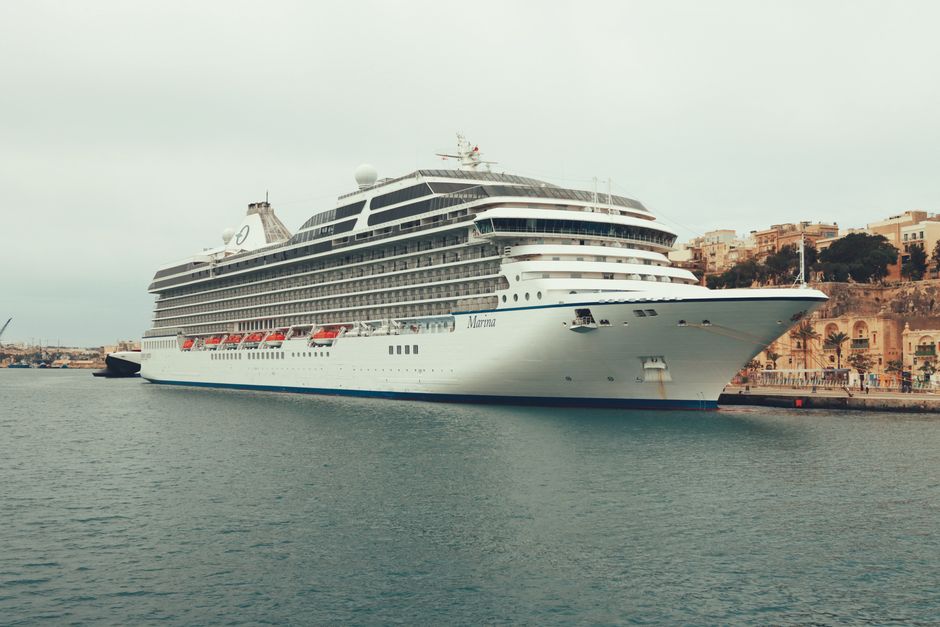
For travelers using a cane, rollator, wheelchair, or scooter, the most workable Mediterranean cruise calls are ports with step-free accessible excursions and predictable shore access, including Barcelona, Civitavecchia, Genoa, La Spezia, Marseille, Naples, Palermo, and Palma de Mallorca. Treat tender ports such as Santorini, Mykonos, Cannes, Kotor, and Villefranche as conditional, not guaranteed: boarding can require steps and depend on sea conditions.
The planning rule is simple: do not buy the itinerary because the ship has an accessible cabin. Buy it because each port day has a workable path from gangway to transport to restroom to ship. That is the difference between a holiday day and a logistics exercise.
Which Mediterranean cruise ports are easiest for someone who uses a cane or rollator?
The easiest choices in this source set are the Western Mediterranean ports where MSC offers Easy & Accessible excursions: Barcelona, Civitavecchia, Genoa, La Spezia, Marseille, Naples, Palermo, and Palma de Mallorca. The program specifies completely step-free routes, wheelchair-accessible vehicles, shorter distances, slower pacing, and accessible restrooms with wide doors.
That label solves a meaningful part of the problem. It reduces the distance and step count inside the excursion, but it does not turn every attraction or surrounding street into a level surface. Use it as a strong starting filter, then confirm the route for the specific sailing and tour.
| Port-day choice | Why it is more manageable | What to verify before booking |
|---|---|---|
| MSC Easy & Accessible ports | Step-free routes, accessible vehicles, shorter distances, slower pacing, and accessible restrooms are part of the stated program. | Your device dimensions and combined traveler-device weight, plus whether you can self-propel or have a companion. |
| Civitavecchia for Rome | The cruise-port shuttle reaches Largo della Pace; a direct bus then reaches the station in six minutes. | Whether Rome's long travel times fit your energy and ship return time. |
| Santorini and other tender calls | They may work only when tender boarding and conditions permit. | Step ability, manual-wheelchair collapse, and roll-on tender availability. |
For Rome, use a distance audit, not destination wishful thinking. According to the Port Mobility Civitavecchia guide, the train station is a 20-minute walk from Largo della Pace or a six-minute direct-bus ride. From Civitavecchia station, listed travel times to major Rome sights run from 1 hour 5 minutes for St. Peter's Basilica and the Vatican to 1 hour 30 minutes for Trevi Fountain and Piazza di Spagna.
That makes Rome possible, but not casual. A lower-walking plan is to choose one area or one accessible excursion rather than treating the city as a checklist. The same decision discipline applies when comparing another mobility-conscious trip format, such as an escorted rail holiday with limited mobility: transport links and pacing determine the day.
Can I use a mobility scooter on a Mediterranean cruise and in port?
You can use a mobility scooter on some Mediterranean cruise days, but the scooter's usefulness ends wherever the gangway, tender, vehicle, or shore facility cannot safely accommodate it. Royal Caribbean warns that an accessible ship does not make every port accessible because gangway steepness, tendering, weather, tides, sea conditions, and shore-side facilities can block mobility-device access.
Do the four-number check before you book an excursion: give the operator your device's length, width, height, and weight. Royal Caribbean requests those measurements for accessible-tour requests and says requests should be made at least 10 business days before departure. MSC also sets maximum device dimensions and a maximum combined weight for traveler and device on each Easy & Accessible excursion.
Then ask the question that prevents a bad surprise: “Can this exact scooter travel from ship to shore and remain with me throughout this exact excursion?” Do not accept “the ship is accessible” as the answer. Ask whether the vehicle has a ramp or lift, whether the route is step-free, and whether there is an accessible restroom.
Companion capacity matters too. MSC says its guides are not permitted to push wheelchairs, so a traveler who cannot self-propel must bring a companion. That is not a minor detail. It changes which tour is viable.
Book early. MSC recommends reserving Easy & Accessible excursions at least two months before departure. Royal Caribbean asks for 30 days' notice for special equipment or services. The useful move is to send one concise written request: “I use a [device type] measuring [length] by [width] by [height] and weighing [weight]. Please confirm tender eligibility, vehicle access, route steps, restroom access, and any companion requirement.”
Which Mediterranean ports require tender boats?
Several Mediterranean calls commonly use tender boats rather than an alongside berth, and they need a separate mobility decision. Royal Caribbean lists Ajaccio, Cannes, Corfu, La Spezia, Kotor, Mykonos, Naples (Salerno), Santorini, Split, and Villefranche (Nice) among its Mediterranean tender ports; Virgin Voyages also lists Cannes, Kotor, Mykonos, Nice (Villefranche), and Santorini.
A tender is used when a port does not have enough pier capacity for a ship to moor alongside, according to Virgin Voyages. That operational fact creates the risk: passengers generally need to take steps to board. A collapsible, non-motorized wheelchair may be allowed, while scooters and powered wheelchairs are prohibited unless roll-on transfer capability is available.
Royal Caribbean puts the rule plainly: guests who cannot take a few steps cannot board most tenders unless roll-on capability is available. Roll-on capability is not guaranteed; conditions and the captain or crew's safety decision can change the outcome. A tender port is therefore a plan B port: enjoy it only if your confirmed transfer works that day, and be comfortable remaining aboard if it does not.
Santorini is the clearest example. The Municipal Port Fund of Thira states that cruise ships anchor in the caldera and serve Fira Bay rather than a conventional alongside berth. From the port, the capital can be reached by cable car, 587 steps, or donkey; the cable car rises 220 meters in about three minutes and has a stated capacity of 1,200 people per hour. With around 900,000 cruise visitors annually, build time margin rather than stacking a tight independent itinerary on top of the tender landing.
Before final payment, run this pre-booking drill:
- Cabin: confirm that the accessible cabin layout works for your specific device and transfer needs.
- Port sequence: identify tender calls and label them conditional days.
- Excursion: reserve an accessible option early, then confirm its device limits and companion requirement in writing.
- Exit route: identify the shuttle, lift-equipped vehicle, or cable car before assuming a town center is reachable.
- Fallback: decide in advance whether you will stay aboard if tender conditions rule out safe boarding.
This is not overplanning. It is how you prevent one unclear transfer from consuming the whole day.
Frequently Asked Questions
Is Santorini manageable for travelers who cannot walk far?
Santorini can be manageable only with a carefully confirmed plan, and it remains a demanding call for travelers who cannot walk far. Ships anchor in the caldera, passengers use tenders to Fira Bay, and the practical non-walking route to Fira is the cable car rather than the 587 steps. The port authority reports roughly 900,000 cruise visitors annually, so allow for crowding and confirm tender and cable-car arrangements with the cruise line before booking.
Should I book cruise-line excursions or private accessible tours?
A cruise-line accessible excursion gives you a defined product to verify: vehicle access, route steps, device limits, and pacing. MSC describes step-free routes, accessible vehicles, shorter distances, slower pacing, and wide-door restrooms on its Easy & Accessible tours, while Royal Caribbean offers selected tours at two mobility levels. A private option may suit your itinerary, but public information in the supplied sources does not establish comparable accessibility standards for private operators, so obtain the same details in writing before paying.
Which cruise ports have cobblestones, hills, or long shuttle rides?
The supplied sources specifically identify a steep-access issue in Santorini and a port-to-station connection in Civitavecchia rather than cataloguing cobblestones across Mediterranean ports. In Santorini, Fira sits 220 meters above the port, with a cable car, 587 steps, or donkey route. In Civitavecchia, use the port shuttle to Largo della Pace, then the six-minute direct bus to the station instead of the stated 20-minute walk; Rome sightseeing adds substantial travel time after that.
Do this before choosing your sailing: write down your longest comfortable distance, whether you can take a few steps unaided, your device measurements, and whether a companion can assist. Send those details to the cruise line for every port that uses a tender. Clear inputs get clear answers.
Sources
Keep reading

Is One Week Enough for a Calgary-to-Vancouver Road Trip?
A practical one-week Calgary-to-Vancouver drive plan with manageable overnight stops, park-pass guidance, and detours worth skipping.

How Do I Choose a Vacation That Requires Very Little Walking?
Use a practical route-by-route framework to select a genuinely low-walking vacation and verify hotels, cruises, tours, and transfers.

How Do Couples Choose an Adults-Oriented Hotel in Spain?
A practical guide to choosing an adults-oriented hotel in Spain by destination, beach access, nightlife, board type, and age policy.

How Do I Choose an Escorted Rail Holiday With Limited Mobility?
A practical checklist for comparing escorted rail holidays by walking demands, luggage help, cabins, and accessible station transfers.