
Rent-to-Own Gaming PCs: Compare the Total Cost Before You Sign
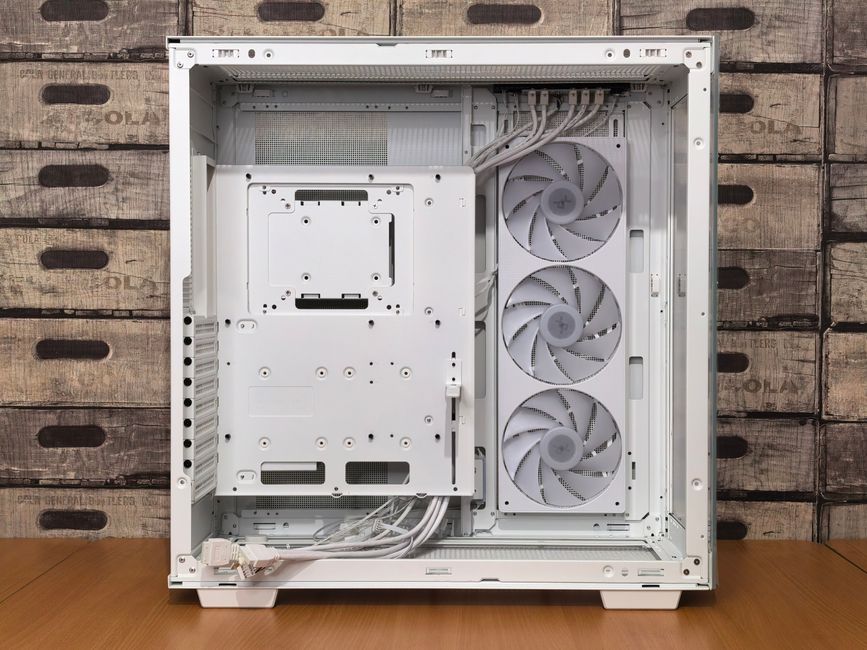
A rent-to-own gaming PC can cost far more than its cash price: add every required payment and fee, then compare that total with a used PC, cash purchase, or financing paid off on schedule. You do not own the computer until the final payment, and return, repair, and missed-payment rules depend on the contract. Check those terms before comparing monthly amounts.
How much more does a rent-to-own gaming PC cost than its cash price?
Find the total by multiplying each required rental payment by the number of payments, then adding other mandatory charges. The Wisconsin Department of Agriculture, Trade and Consumer Protection recommends this calculation and warns that payments spread over many months can potentially double or triple an item's cost.
The payment shown per week or month is not the price. Ask for the full schedule, the count of payments needed to own the computer, any fees, and the cash price of the same model. Check that the item is new or used, and compare identical specifications rather than a broad label such as “gaming PC.”
The North Carolina Department of Justice illustrates how the arithmetic can change the deal: a $300 television at $14 per week for 87 weeks totals $1,218, more than four times its cash price. That is a television example, not a gaming-PC quote. The calculation method still applies.
Compare alternatives on equal terms. A cash purchase has its stated purchase price; a used machine has its asking price plus any known repair or warranty costs. For conventional card financing, use the actual APR, fees, payoff schedule, and any promotional-rate expiration. The Consumer Financial Protection Bureau reports that average credit-card APRs in 2024 were 25.2% for general-purpose cards and 31.3% for private-label cards. Those averages do not tell you the rate on your account.
Four-payment buy-now-pay-later plans are another distinct option. The CFPB says most interest-free four-payment plans do not report regular payment history to major credit bureaus, while unpaid debt sent to a collector could be reported. Longer-term installment products can have different credit-check and reporting rules, so review the specific terms.
| Option | Who it suits | Cost to compare | Key limitation |
|---|---|---|---|
| Rent-to-own | Someone who needs the computer now and values payment-period flexibility | All required payments plus other charges | Ownership waits until the final payment; total can be much higher than cash price |
| Buy used or refurbished | Someone comparing a specific machine and its condition | Published asking price; add known repair costs | Warranty and service vary; private-sale protections differ from merchant sales |
| Pay cash or save | Someone able to pay now or wait | Cash price; North Carolina's example says saving $14 weekly for 22 weeks would reach $300 | Saving delays the purchase |
| Credit-card financing | Someone with a known APR and payoff plan | Actual interest and fees over the planned payoff period | APR and promotional terms vary; average market APR is not a personal offer |
| Buy-now-pay-later | Someone whose specific plan fits its payment schedule | Specific plan's published charges and terms | Credit reporting differs by product; unpaid balances sent to collectors can be reported |
When do I actually own a computer under a rent-to-own agreement?
You own it only after the last required payment, according to Wisconsin's consumer guidance. Until then, the agreement is a rental with an option to purchase, not ownership earned gradually with each payment.
Ask whether the contract permits an early purchase and how that price is calculated. Do not assume the remaining installments simply disappear: the agreement must state the early-purchase amount and any required charges. Compare that figure with the full scheduled total and with the current cash price for the same computer.
Also confirm whether the PC is new or used, who handles repairs, whether payments pause while it is being repaired, and whether insurance is required. Wisconsin advises consumers to check these details and any late-payment penalty. A computer out for repair can still be an expensive obligation if the contract keeps the payment clock running.
Warranty terms matter in a used purchase too. The Federal Trade Commission explains that a merchant's used product can carry an implied warranty of merchantability in many circumstances, subject to state law and valid disclaimers. A private individual selling a used item is not treated the same way under those rules. Wirecutter notes that manufacturer-refurbished PCs generally offer stronger support than seller-refurbished ones, but warranty periods vary by seller and product. Compare the exact model, condition, warranty, return window, and likely repair costs.
Can I return a rent-to-own PC if I can no longer make payments?
Often the rent-to-own model lets a customer return the item and stop future payments, but whether that applies and what happens to past payments depends on the agreement and local law. The FTC's staff survey describes the general model as a renewable lease with no obligation to continue beyond the current payment period and an option to buy; read the actual contract before relying on that general description.
The FTC survey, conducted from December 1998 through February 1999, found that 70% of rent-to-own merchandise was purchased, with customers renting for an average of 14 months before purchase. Returned items had been rented for an average of five months, and 81% were returned within six months or less. Among returned items, 24% were returned for financial reasons. These are historical survey findings, not current gaming-PC outcomes.
Missed payments carry a different risk. The North Carolina Department of Justice warns that a missed payment may lead to repossession and loss of credit for payments already made; exact rights and reinstatement terms depend on the contract and applicable state law. Look for a grace period, late charges, return process, and the steps required to restart an agreement after default.
Rent-to-own makes its strongest case when short-term access or a clearly priced return option is worth the added total. If you can wait, North Carolina's example shows the basic trade: saving $14 per week for 22 weeks reaches a $300 cash price, avoiding more than $900 in rent-to-own costs in that example. For a gaming PC, use its real cash price and actual contract schedule. The answer lives in the total and the exit terms.
Frequently Asked Questions
What happens if I miss a payment on a rent-to-own computer?
The contract may allow the provider to repossess the computer, and payments already made may not be credited if you do not complete the agreement. Check the contract for any grace period, late fees, and reinstatement terms; rights also depend on applicable state law.
Is rent-to-own better than financing or buying a refurbished gaming PC?
There is no single winner: compare the complete rent-to-own price with financing interest and fees, or the used PC's price plus likely repair costs. Check warranty, return window, item condition, and whether the rent-to-own agreement offers useful early purchase or return terms.
Sources
- Wisconsin Department of Agriculture, Trade and Consumer Protection
- North Carolina Department of Justice
- Federal Trade Commission, Bureau of Economics
- Consumer Financial Protection Bureau, Consumer Credit Card Market Report
- Consumer Financial Protection Bureau, Buy Now, Pay Later and Credit Scores
- Federal Trade Commission, A Businessperson's Guide to Federal Warranty Law
- The New York Times Wirecutter
Keep reading

Bifacial Solar Panels: When the Extra Cost Pays Off
See when bifacial solar panels can add useful energy, how mounting and ground reflectivity affect gains, and what to check in an installer quote.
Why Is My Solar System Using Grid Electricity or Saving Less?
Learn how to distinguish real grid use from misleading solar monitoring readings, and what records to gather before contacting your installer.
When Is Wireless Vibration Monitoring Worth Using?
A practical guide to choosing wireless vibration monitoring for critical pumps, motors, fans, compressors, and slow-speed machinery.

How Can I Replace Cable TV Without Missing What I Watch?
A channel-first guide to replacing cable with an antenna, free streaming, on-demand apps, and live-TV services.