
Latest Electronic Gadgets: Which New Devices Are Worth It?
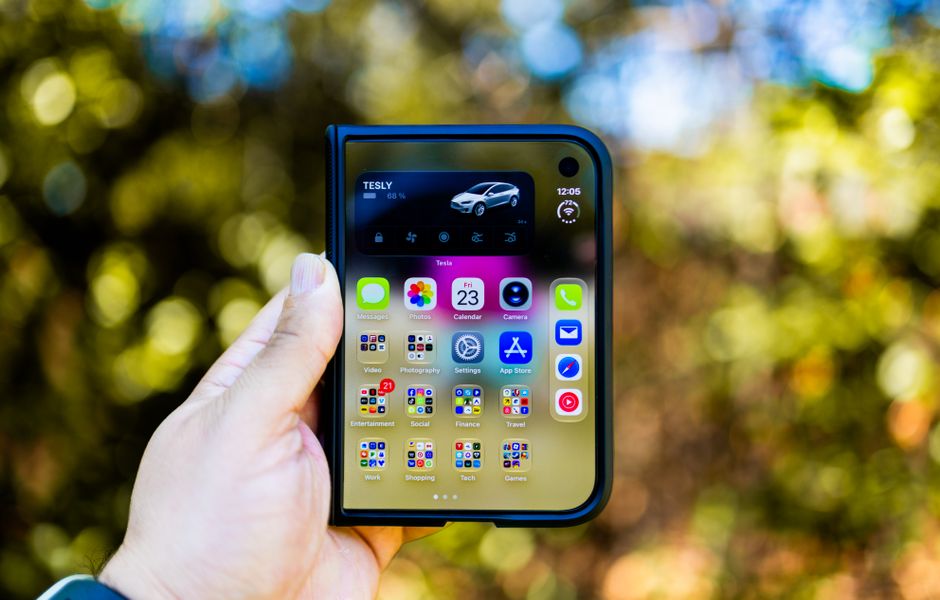
The latest electronic gadgets worth comparing include Samsung’s Galaxy Buds On and SmartTag3, Dell’s XPS 14 and XPS 16, and the $650 Fairphone (Gen. 6+). The best value depends on fit: choose a tracker only if your phone supports its network, a laptop upgrade for weight or repair changes you will use, and a Fairphone for long support and replaceable parts. Check availability, compatibility, and independent reviews before paying launch prices.
What is the newest electronic gadget?
Among the dated announcements in the sources, Samsung’s Galaxy Buds On and Galaxy SmartTag3 are the newest products explicitly reported as available for purchase. Samsung announced both on November 6, 2026, and lists the earbuds at $229.99 and the tracker at $29.99 for one or $99.99 for four.
The SmartTag3’s main change is reach: Samsung says its Compass View gives distance and directional guidance from up to 60 meters away, around three times farther than the prior generation. That improvement depends on the Galaxy Find Network, so it does not make the tag a universal choice. Confirm your phone and tracking setup work with that network before buying.
The Buds On are listed with up to 9.5 hours of music playback per charge and up to 38 hours with the case. Those are Samsung specifications, not independent test results. A longer advertised runtime matters only if the fit, sound, controls, and phone support suit the buyer; the supplied source does not report independent comparisons on those points.
What are some new gadgets recently launched?
Recent launches span practical upgrades and more specialized devices. The useful comparison is not a single winner; it is what each device improves, what it costs, and what it asks you to give up.
Dell announced the XPS 14 and XPS 16 at CES on January 5, 2026. Limited configurations were priced at $2,049.99 and $2,199.99. Dell says the 14-inch model weighs roughly 3 pounds, over half a pound less than its predecessor, while the 16-inch model weighs 3.6 pounds, almost a pound less. Both use Intel Core Ultra Series 3 processors. Dell claims up to 57% faster AI performance for the XPS 14 and 78% for the XPS 16 compared with previous models.
Dell also specifies up to 27 hours of battery life or over 40 hours of local video playback. These are manufacturer claims, not independent results. Modular USB-C ports and an easily removable keyboard could make repairs simpler, a practical benefit beyond speed. If the current laptop is already fast enough, the weight reduction and repair design may matter more than the AI comparison.
ASUS’s CES lineup gives a different kind of flexibility. Its Zenbook DUO has two 14-inch 3K OLED screens, an Intel Core Ultra X9 Series 3 processor, and a dual-battery system totaling 99Wh. ASUS says the thermal system supports up to 45W TDP, a 28% increase over the previous generation. The company did not publish prices or independent performance results in the announcement, so the useful next step is to wait for those before comparing value.
The same ASUS announcement describes a Zenbook A16 with a 16-inch 3K OLED screen in a chassis under 1.2 kg, and the Zenbook A14 under 1 kg. Its ProArt GoPro Edition convertible is most relevant to people already using GoPro: it includes a GoPro Cloud-connected app and 360-degree video support. Without a published price, these specifications identify who may benefit, but cannot settle whether the upgrade is worth its cost.
For a phone with a longer ownership horizon, WIRED reviewed the Fairphone (Gen. 6+) at $650. It has a five-year warranty, software and security updates through 2033, and replacement parts available through 2033. The review reports a 4,415-mAh battery, a 6.3-inch 120-Hz AMOLED display, 256 GB storage, microSD expansion, and 50-MP main and 13-MP ultrawide cameras. The trade-offs include no wireless charging, IP55 rather than full waterproofing, weaker low-light camera performance than leading competitors, and limited carrier compatibility.
Availability needs its own check. The Guardian’s CES report distinguishes products available to order from concepts and later releases. Its Xreal glasses hands-on lists a $449 price and improvements over the previous model: a 52-degree field of view rather than 50, brightness of 700 nits rather than 600, and 1,200 vertical pixels rather than 1,080. The reviewer tried them with an Android phone, but said a roughly 10-minute try-on could not establish long-term comfort. A launch feature list is not the same as a buying verdict.
Which latest gadgets are actually worth buying?
The latest gadgets are worth buying when a concrete improvement solves a recurring problem at a price and compatibility level you accept. For the options with published prices, the practical trade-offs look like this:
| Option | Who it suits | Published cost | Key limitation |
|---|---|---|---|
| Samsung Galaxy Buds On | Buyers who want earbuds with Samsung’s stated playback figures | $229.99 | Battery figures are manufacturer specifications, not independent results |
| Samsung Galaxy SmartTag3 | Galaxy Find Network users who need a tracker | $29.99 for one; $99.99 for four | Tracking features depend on the Galaxy Find Network |
| Dell XPS 14 | Buyers prioritizing a lighter laptop and modular repair features | $2,049.99 limited launch configuration | Battery and AI performance figures are Dell claims |
| Dell XPS 16 | Buyers seeking Dell’s larger, lighter XPS option | $2,199.99 limited launch configuration | Battery and AI performance figures are Dell claims |
| Fairphone (Gen. 6+) | Buyers prioritizing repair options and long software support | $650 | No wireless charging; IP55; limited carrier compatibility |
| ASUS Zenbook DUO, Zenbook A16, Zenbook A14, ProArt GoPro Edition | Dual-screen users, weight-conscious laptop buyers, or existing GoPro users, depending on model | not published | Price and independent performance results not published in the announcement |
| Xreal glasses described by The Guardian | Buyers whose phone and use case suit the reported Android demonstration | $449 | Brief try-on did not establish long-term comfort |
For an existing laptop, compare the previous generation against the new one on the benefit you will notice daily. Dell’s claimed AI gains do not by themselves justify a $2,000-plus purchase; the lower weight or repair features provide a clearer reason when those address an actual need. ASUS’s upgrades are harder to price-check because its announcement gives no costs.
For a phone, the Fairphone makes long support and repair access part of the price calculation. Its warranty and update horizon are concrete; its camera, water resistance, charging, and carrier limits are equally concrete. If those limits conflict with how you use a phone, the longer support term does not erase them.
Apply a first-month check before committing. Confirm the return window and warranty terms with the seller, check the manufacturer’s published software-support period, and verify compatibility with your phone, carrier, accessories, and services. Read early reliability reports once the product has been in wider use. For connected gadgets, check app requirements and any network or account dependency; the Engadget CES roundup, for example, distinguishes products with real prices and order options from concepts and notes that some devices bring app connections or ongoing-service implications.
Compatibility is part of the price. Engadget describes the Shure MV88 USB-C microphone as working with modern iPhones, Android devices, and laptops, while its SmartTag3 coverage underscores the limits of a tracker tied to a particular network. A gadget that does not fit the devices already in your home adds friction before it adds value.
Frequently Asked Questions
What are the trendy gadgets for 2026?
The sources cover new laptops, earbuds, trackers, repairable phones, smart glasses, dual-screen computers, and compact chargers. These are examples of launches and products reported in 2026, not a measured ranking of what is most popular.
How do I know whether a new gadget is useful or just a novelty?
Match its specific improvement to a task you do and check compatibility with devices you already own. Treat manufacturer battery, range, and performance figures as claims, and look for independent reviews that test the product beyond a brief demonstration.
Should I buy a newly launched gadget or wait for reviews and discounts?
Buy at launch when the published feature, price, and compatibility clearly solve a current need. Wait when availability is unclear, performance claims are unverified, or the product is supported only by a short hands-on look; also check return terms and early reliability reports.
Sources
Keep reading
When Is Wireless Vibration Monitoring Worth Using?
A practical guide to choosing wireless vibration monitoring for critical pumps, motors, fans, compressors, and slow-speed machinery.
How Do I Choose a Wearable Vibration Device for Important Sound Alerts?
Choose and configure wearable vibration alerts for critical sounds without turning every noise into another interruption.

Will a Wearable Vibration Alarm Reliably Wake a Heavy Sleeper Without Disturbing a Partner?
A practical way to test whether a wearable vibration alarm can wake you quietly, plus settings checks and backup options.

How Much Does Starlink Cost at My Address?
Build an address-specific Starlink budget with monthly plans, hardware, shipping, taxes, installation, and Demand Surcharge costs.