
How Do I Choose a Wearable Vibration Device for Important Sound Alerts?
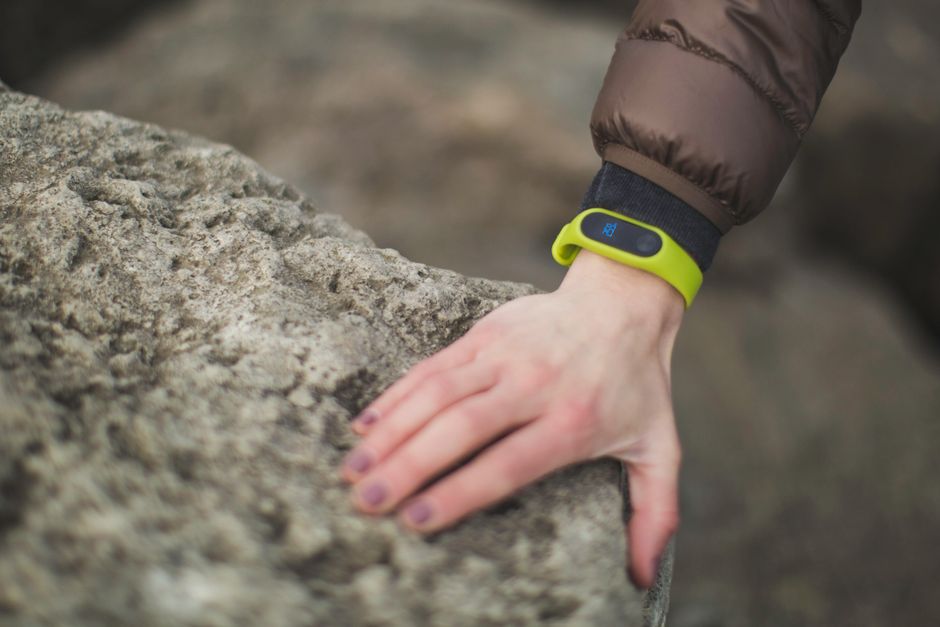
Choose a dedicated bed or pillow shaker for overnight fire alerts, then use a smartwatch or wristband for daytime notifications you can filter. Put smoke alarms, emergency alarms, and a few personal signals at the top; give each a distinct pattern; and create separate home, work, sleep, and travel profiles. A device that buzzes for every sound creates alert fatigue, so configure fewer, more actionable alerts.
Can a smartwatch vibrate when it hears a fire alarm, doorbell, or baby crying?
Yes, a smartwatch can provide vibration alerts for recognized sounds, but it should be treated as a daytime awareness tool, not the only layer protecting you from a fire. The practical split is simple: use purpose-built, tested smoke-alarm equipment for life safety; use a wearable to surface selected sounds when you are awake and mobile.
SoundWatch research describes a smartwatch system that can deliver customizable visual and vibration alerts for a sound's identity, loudness, and timing. Its best model averaged 81.2% inference accuracy across 20 sound classes. That figure is useful, but it is not a guarantee. The same research recorded average accuracy of 88.6% at home, 86.4% in an office, and 71.2% outdoors, where background noise interfered.
That gap tells you how to assign jobs. A doorbell alert missed once may be inconvenient. A fire alert missed once can carry much higher stakes. The U.S. Fire Administration says people may have less than two minutes to get outside safely after a smoke alarm sounds. It recommends alarms inside and outside each bedroom and sleeping area, plus one on every level of the home. It also notes that alarms for people with hearing loss may use flashing strobes and/or vibration alerts.
Use the two-layer rule: let a recognized-sound wearable handle awareness; let interconnected smoke alarms and their accessibility accessories handle the emergency. Interconnected alarms make all alarms sound when one activates, extending the alert throughout the home. Test smoke alarms monthly and replace them 10 years after manufacture, as FEMA advises.
| Use case | Best device role | Setup decision |
|---|---|---|
| Home while awake | Smartwatch or dedicated wristband | Enable selected signals such as doorbell, alarm, or baby crying; keep routine sounds off. |
| Sleeping | Bed or pillow shaker paired with smoke-alarm equipment | Make fire notification the priority; do not depend on a general smartwatch alert alone. |
| Office | Smartwatch or wristband | Use a work profile with only signals that require a response. |
| Travel | Portable wearable plus destination-specific safety planning | Confirm how you will receive emergency alerts before settling in, especially in unfamiliar lodging. |
Travel changes the equation because you do not control the building setup. The same practical accessibility planning used when choosing an escorted rail holiday with limited mobility applies here: identify the constraint before the trip, then confirm the accommodation rather than assuming every location has the equipment you need.
Which wearable vibration devices are strong enough to wake a heavy sleeper?
For a heavy sleeper, choose a dedicated pillow or bed shaker connected to an alarm system rather than assuming a wrist-worn vibration will wake you. FEMA states that, when needed, a pillow or bed shaker can wake Deaf people for a fire escape and is activated by the sound of the alarm.
The controlled sleep evidence points in the same direction. In a study of 38 adults with mild to moderately severe hearing loss, bed shakers woke 80% and pillow shakers woke 84% of participants during slow-wave sleep at their purchased intensities. Strobe lights woke 27%, even when tested above the applicable U.S. standard. This is not a reason to discard visual alerts; it is a reason not to make a strobe your only overnight plan.
Buy by role, not by gadget category. A smartwatch is compact and useful when you are moving around. A dedicated wristband can make sense when you want a focused, always-on tactile cue without the broader demands of a smartwatch. A bed or pillow shaker is the sleep specialist. The strongest setup may include more than one device because awake, asleep, at home, and away are different operating conditions.
Before committing, run a controlled home drill. Keep the questions practical: Can you identify the vibration without looking? Does the device still alert you where you sleep? Is the alarm path tested separately from the phone or wearable connection? If the answer is unclear, the setup is not finished.
How can I set up vibration alerts without getting notified about every sound?
Set up vibration alerts by filtering aggressively, using a small pattern vocabulary, and changing profiles by context. The point is not maximum detection. The point is minimum cognitive load for the alerts that require action.
Researchers working with 16 Deaf and hard-of-hearing participants found that real-world smartwatch use prompted requests for sound filtering, particularly to limit haptic feedback in complex sound environments. The issue was not merely preference. The study identified distraction, trust, and learnability as central concerns. A vibration that arrives too often stops behaving like a signal and becomes background noise.
Run the Action Test on every candidate sound: ask, “What will I do differently if this alert arrives?” If there is no clear answer, do not enable it yet. “A smoke alarm: leave and follow the fire-escape plan.” “A doorbell: decide whether to answer.” “General street noise: no immediate action.” That last item belongs off.
- Build your critical tier. Put smoke/fire alarms first. Add only other emergency signals that have an immediate action.
- Build your response tier. Add a doorbell, baby crying, or another personally essential sound only if you need to respond promptly.
- Assign patterns by stakes. Use one unmistakable pattern for emergency alerts and different, simpler patterns for routine response alerts. Do not create a codebook of dozens of patterns.
- Create context profiles. Sleep should be safety-focused. Work should protect concentration. Home can include response signals. Travel should prioritize emergency awareness and the signals necessary in unfamiliar surroundings.
- Use mute controls without guilt. SoundWatch included options to mute an alerted sound for one minute, five minutes, 10 minutes, one hour, one day, or permanently. Treat muting as tuning the system, not ignoring the problem.
Use a weak-versus-strong setup check. Weak: “Alert me whenever the device hears anything important.” Strong: “During work, alert only for the fire alarm and the doorbell; mute the doorbell during focused tasks; restore it when I am available.” The strong version gives the device a job and a boundary.
Finish with a short weekly drill. Review the alerts that arrived, then ask: “Which one changed my action?” Keep the ones that did. Remove or narrow the ones that did not. That is how a vibration device stays useful instead of becoming another interruption engine.
Frequently Asked Questions
Are haptic sound-alert wearables reliable enough for safety alerts?
They are useful as a supplement, not a replacement for tested fire-safety equipment. SoundWatch research found that sound-recognition accuracy changed by setting and fell outdoors, while the U.S. Fire Administration recommends smoke alarms, visual alerts, and vibration equipment designed for people with hearing loss. For sleep, FEMA specifically recommends a pillow or bed shaker when needed.
What sounds should I prioritize on a wearable alert device?
Prioritize smoke or fire alarms first, then other emergency alarms and a small number of signals that require an immediate response, such as a doorbell or a baby crying. Add lower-stakes sounds only after the essential alerts are dependable and easy to recognize. The goal is not to recreate every sound; it is to preserve attention for the sounds that change your next action.
Can a vibration wearable give different alerts for sirens, doorbells, and alarms?
A configurable system can use different vibration patterns for sound identity, and smartwatch research evaluated patterned haptic signals for communicating sound identity, loudness, and direction. Keep the pattern set small enough to learn under pressure. Reserve the clearest, most forceful pattern for fire or other emergency alerts, then use distinct but simpler patterns for doorbells and other routine signals.